
About Cane Creek Airsoft
A dedicated outdoor airsoft environment on 160 wooded acres near Asheville, North Carolina — built around recreation, community, and responsible participation.
A field built for the sport, not for a crowd
Cane Creek Airsoft was conceived as a dedicated recreational environment: a place where airsoft could be played safely and consistently on real mountain terrain, rather than improvised in a backyard.
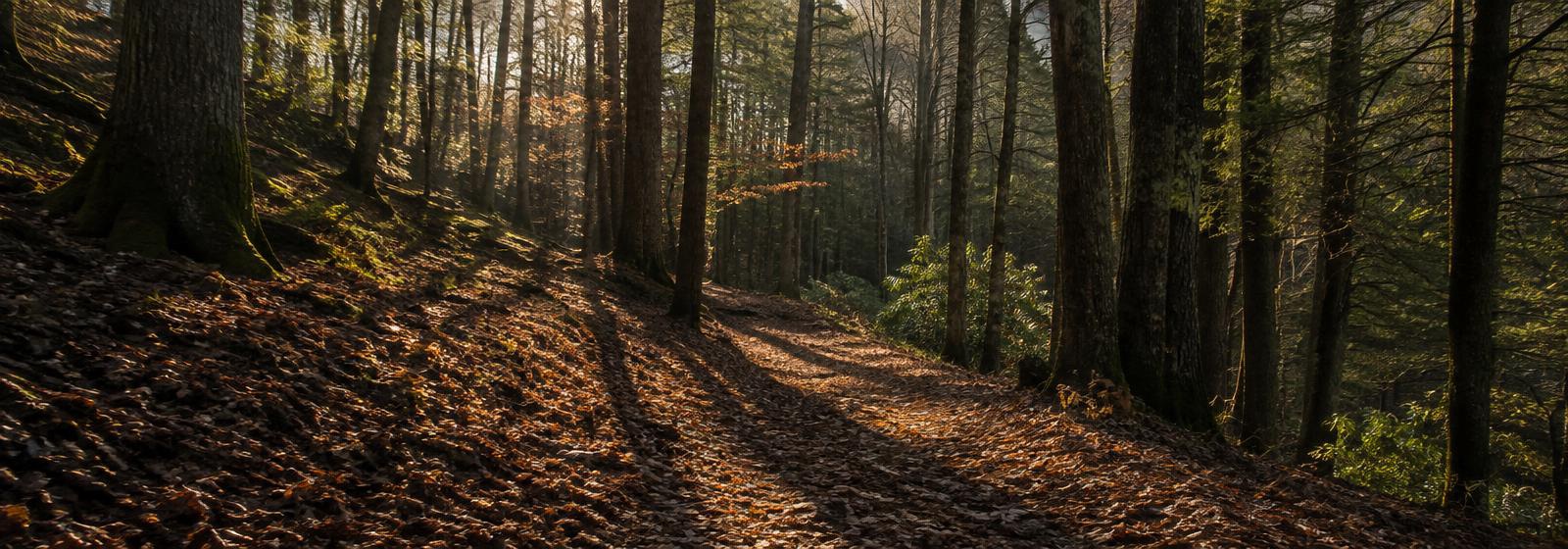
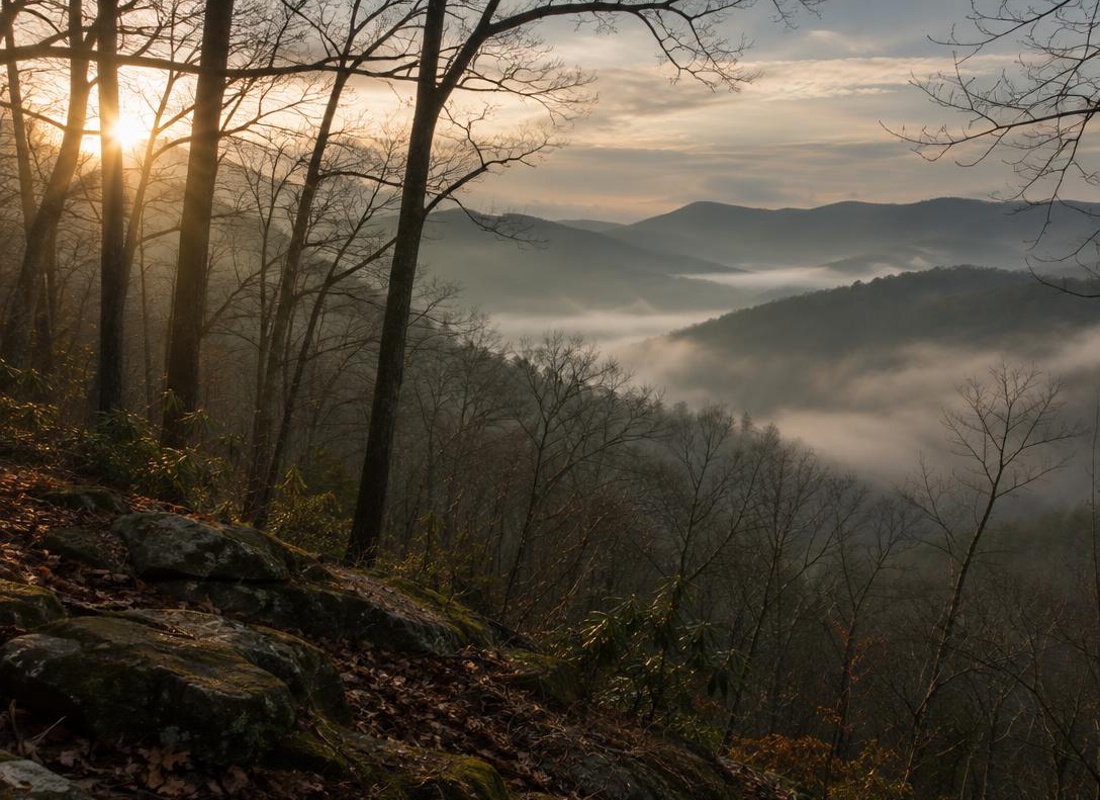
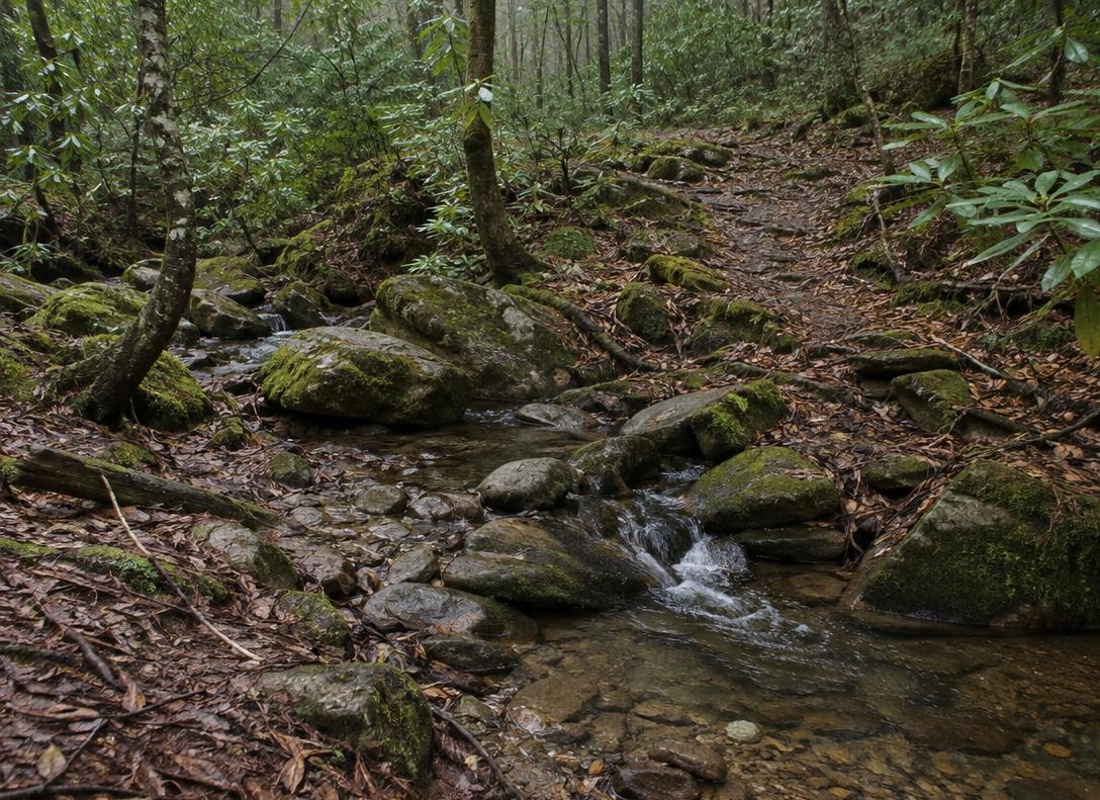
The setting is the defining feature. The original 160-acre outdoor setting sits in the Asheville area of Buncombe County, where dense hardwoods and rolling ridges create natural cover and constantly shifting sightlines. Rounds are shaped by the land rather than by constructed obstacles.
That choice has consequences. Players walk more than they expect, they rely on each other to move through the woods safely, and they learn quickly that staying inside the boundaries matters more than any individual objective.
It also means the field belongs to a landscape that long predates the sport. Trails are kept to established lines, water crossings are treated carefully, and every group packs out what it brings in.
160
Acres in the original setting
4
Seasonal conditions
1
Shared standard of safety
Six things that shape a day at Cane Creek
These are the principles the field was organized around. They are deliberately plain, and they apply to every visitor.
Outdoor recreation
The primary purpose of the field has always been simple: give people a reason to spend a few hours outside.
Woodland scenery
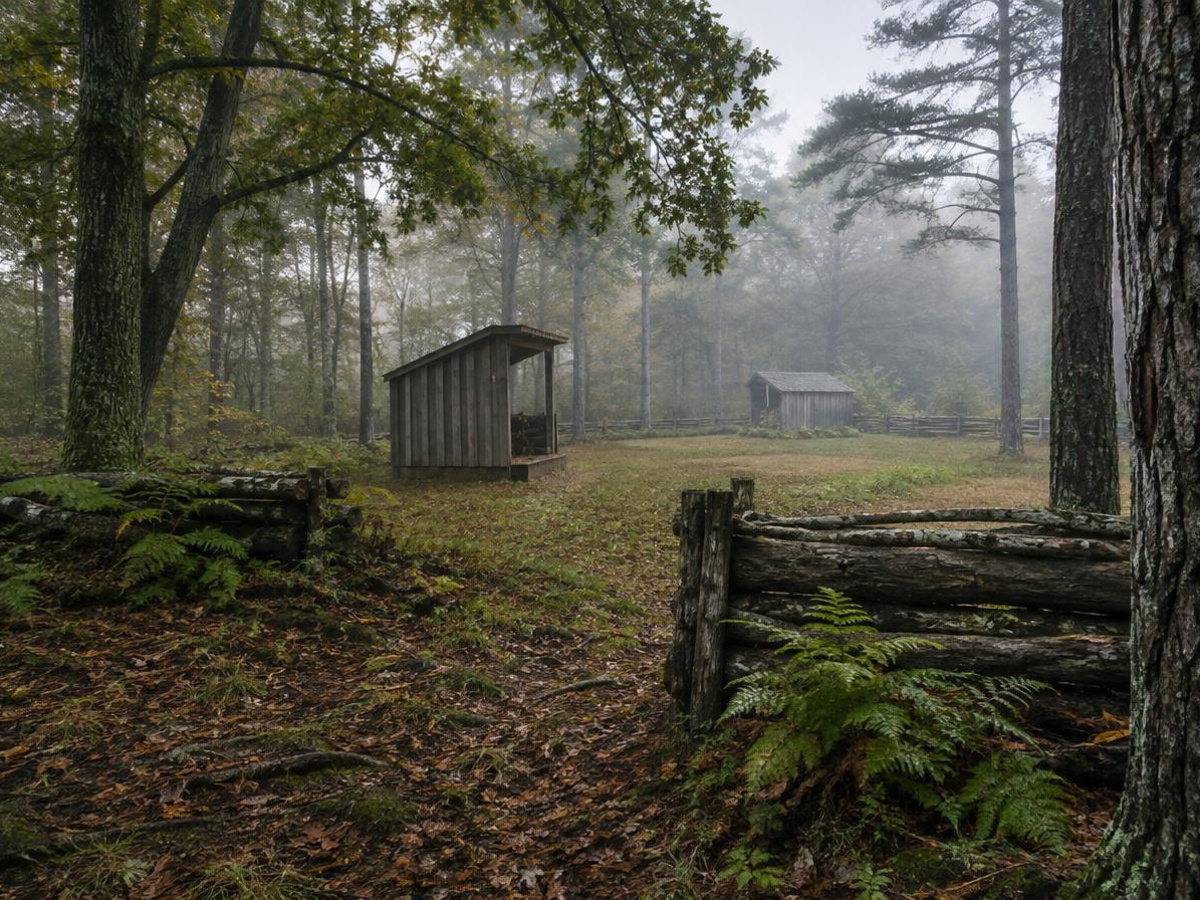
Hardwood forest, ridge lines, and creek beds are part of the experience, not a backdrop.
Community participation
Open play days and group afternoons are built around people meeting each other, not around equipment.
Responsible activity
Protective equipment, briefings, and supervision are treated as the foundation of every session.
Sportsmanship
Calling your own hits and respecting other players matters more than any individual round.
Care for the land
Trails are kept to established lines, boundaries are respected, and everything is packed out.
Community and sportsmanship
Any outdoor field depends on the people who show up every weekend. The culture here has always leaned toward patience: experienced players pairing up with first-timers, marshals explaining the same boundary for the tenth time, and disagreements settled between rounds rather than during them.
That culture is intentional. Calling your own hit, never engaging a player who is walking off the field, and speaking up early about unsafe equipment are the habits that keep a field welcoming for families and newcomers.
The field also has a history of group afternoons — birthdays, club outings, and community gatherings. Those visits are organized around supervision and age-appropriate activity, with protective equipment required for anyone handling equipment.
A note on details
This website describes the field’s setting, history, and approach to recreational play. It does not publish founding dates, staff names, certifications, or current operating status, because those details must come from the field directly.
- Pricing and availability: confirmed with the field.
- Age policy and supervision: confirmed with the field.
- Exact address and access: confirmed with the field.
- Weather and closure decisions: confirmed with the field.